
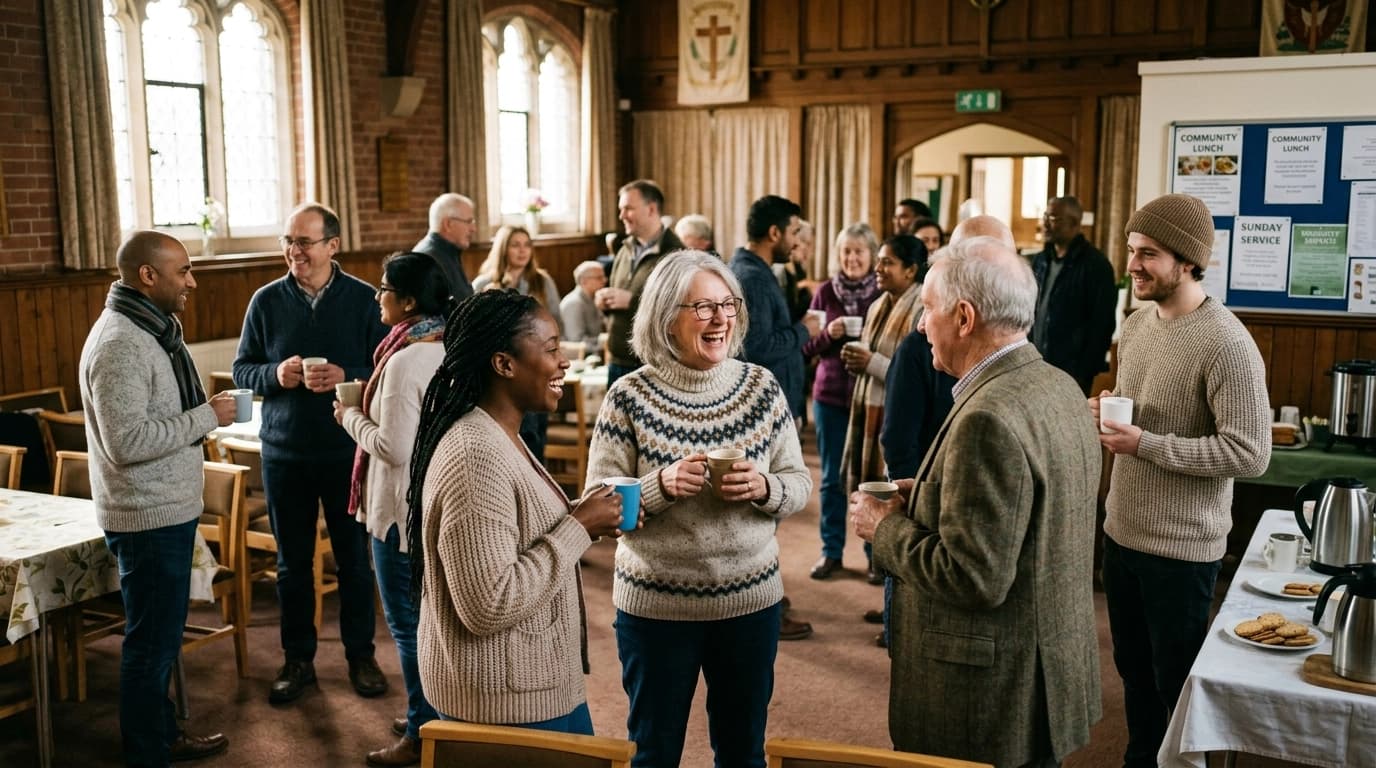
It’s Sunday morning, 8:45 AM.
The coffee hasn’t finished brewing, the worship lead just texted to say they’re stuck in traffic, and you’ve spent the last twenty minutes scrolling through a WhatsApp group trying to remember who promised to help with the toddler group today.
Sound familiar?
For many UK church leaders and admins, "volunteer management" isn't a structured process. It’s a series of frantic messages, last-minute phone calls, and the occasional prayer that someone, anyone, shows up to put the chairs out.
Managing a team of volunteers shouldn't feel like a second job. It should feel like building a community. But when the systems are messy, the people start to feel the weight.
Why the "Manual" Way is Exhausting
Most churches don't have a "people problem." They have a "process problem."
We rely on what we know: the trusty spreadsheet, the scribbled note on the back of a bulletin, and the ever-growing list of WhatsApp groups. These tools are fine for a quick chat, but they weren't built for church volunteer management.
When information is scattered, things fall through the cracks. People get asked twice, or not at all. Volunteers feel overwhelmed by the noise and, eventually, they stop saying "yes."
The good news? It doesn’t have to stay this way. You can move from chaos to a calm, sustainable rhythm.
Here are seven simple hacks to help you reclaim your time and support your team better.
1. Create a "Single Home" for Your Helpers
One of the biggest time-wasters is hunting for contact details. Is Sarah’s phone number in your personal contacts, the church directory, or that one email thread from last Christmas?
Instead of scattered scraps, move everyone into one place. A simple, centralised system, often called church administration software UK churches trust, keeps names, notes, and availability together.
When you have a "single source of truth," you stop searching and start connecting. You can see at a glance who is on the welcome team, who has their DBS check sorted, and who prefers to serve once a month.
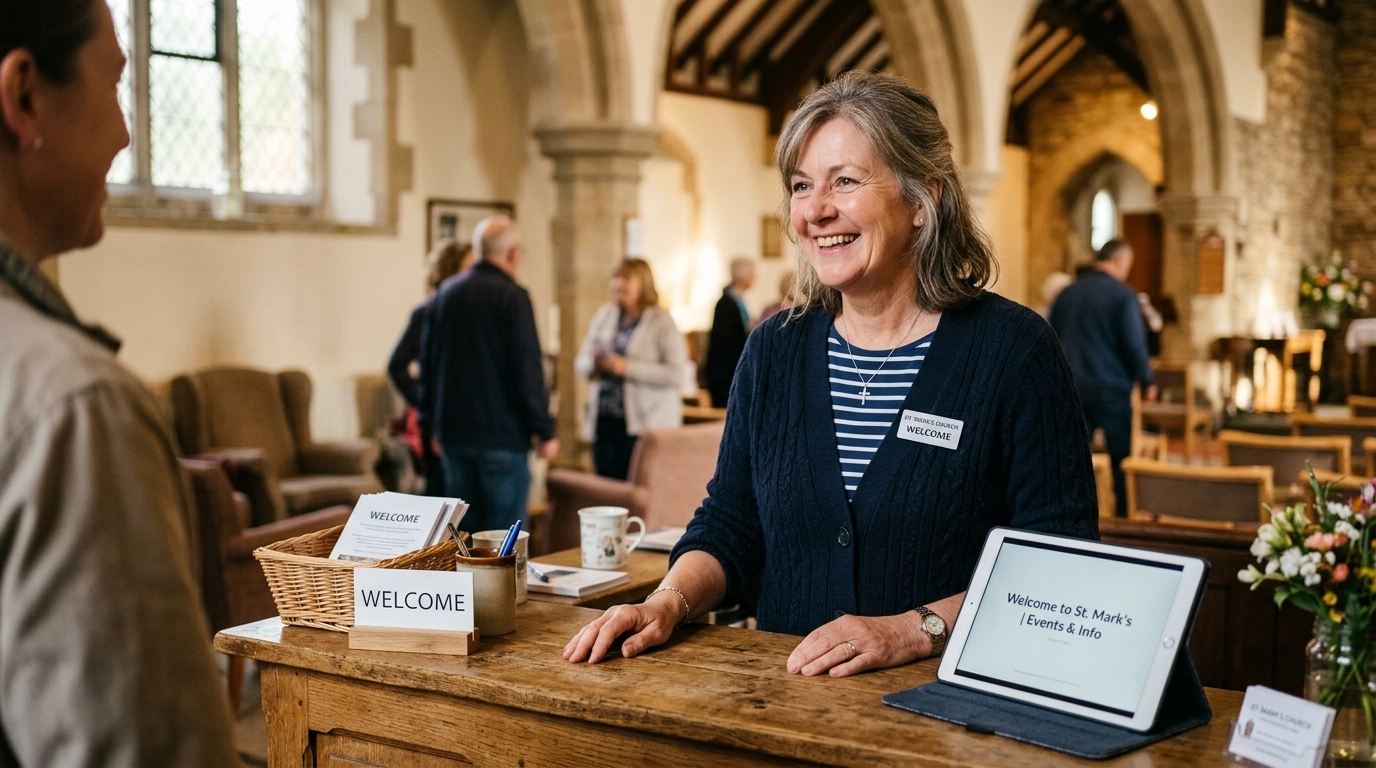
2. The Power of a Clear "Yes"
Vague requests lead to vague commitments.
"We need help on Sunday" is a heavy ask. It sounds like a big, undefined block of time.
Try breaking roles down into small, clear tasks. Instead of asking for "help," ask for:
- "Arrive at 9:15 AM to put out the welcome packs."
- "Stay for 15 minutes after the service to wipe down the coffee station."
When people know exactly what they are saying "yes" to, they are much more likely to step up. It feels manageable. It feels like something they can actually do.
3. Use Simple, Automated Reminders
Manual follow-up is the ultimate time-thief. Sending individual texts to ten people on a Saturday night is not a good use of your weekend.
Simple systems can do this for you. A quick, friendly SMS or email sent automatically three days before a service does two things:
- It reminds the volunteer where they need to be.
- It gives them a chance to let you know if something has changed.
This isn't about "automation" in a cold, corporate sense. It’s about a gentle nudge that says, "We’re looking forward to seeing you." It keeps the commitment fresh without you having to touch your phone.
4. Let Them Tell You Their "No"
One of the main reasons volunteers burn out is that they feel they can't say no.
Give your team a way to set their own "blackout dates" or preferences. If a family is going away for half-term, they should be able to mark themselves as unavailable before you even start the rota.
When your system respects their boundaries, they’ll feel more respected as people. This keeps the atmosphere calm and prevents that awkward "I'm so sorry, I can't make it" text on a Saturday morning.

5. Say Goodbye to the Spreadsheet Shuffle
Spreadsheets are where data goes to hide. They are hard to update on a phone, they get out of date the moment they’re saved, and they don’t talk to your other tools.
Moving to a modern, focused tool designed for church life makes a world of difference. You want something that lets you manage events, sign-ups, and people in one story.
When your volunteer list lives in the same place as your event sign-ups, everything stays in sync. No more copying and pasting names from a form into a "Master List."
6. Use "Team Mentions" to Cut the Noise
Email chains are where productivity goes to die.
If you need to ask the youth team a question, don't start a 20-person CC thread. Use a platform that allows for team collaboration.
At Church Loop, we built "mentions" and tasks specifically for this. You can tag a teammate on a person’s profile or an event.
- "@Mark, could you check the AV cables before Sunday?"
- "@Claire, this visitor is interested in the toddler group."
It keeps the conversation where the work is happening. Everyone knows who is responsible for what, and the rest of the team isn't bothered by notifications that don't apply to them.

7. Focus on the "Thank You" (Not Just the "Do")
In the UK, volunteer burnout is becoming a real concern for many charities and churches. We are asking a lot of a few people.
The best way to save time on management is to keep the volunteers you already have. And the best way to keep them is to make them feel seen.
Set a "task" for yourself to send a personal note of thanks once a month to a different team member. Not a generic "thanks everyone" from the pulpit, but a specific "I really appreciated how you handled that busy welcome desk on Sunday."
When people feel valued, they stay. When they stay, you spend less time recruiting and training new people.

A Calmer Way to Serve
The goal of all these hacks isn't just to "be more efficient." It’s to create space.
When you aren't bogged down in the manual admin of spreadsheets and WhatsApp pings, you have more time for the people standing right in front of you. You can be a pastor, a leader, and a friend: not just an administrator.
Sunday mornings should be about worship and welcome, not stress and schedules.
How Church Loop Can Help
We built Church Loop because we saw too many church leaders drowning in "the chaos."
Our platform is designed specifically for UK church teams: including the volunteers and part-time staff who don't have time for complicated software. We bring your people profiles, event management, and team collaboration into one calm flow.
Simple, not complicated. Clear, not overwhelming.
If you’re ready to stop the "manual shuffle" and start managing your team with ease, we’d love to help you get started. Our pricing is designed to be affordable for churches of all sizes, because every church deserves a little more calm.
Keep going. You’re doing a great job.
No pressure. Just a simpler way to do what you love.