They came once, they loved it, then we never saw them again. Why does that happen?
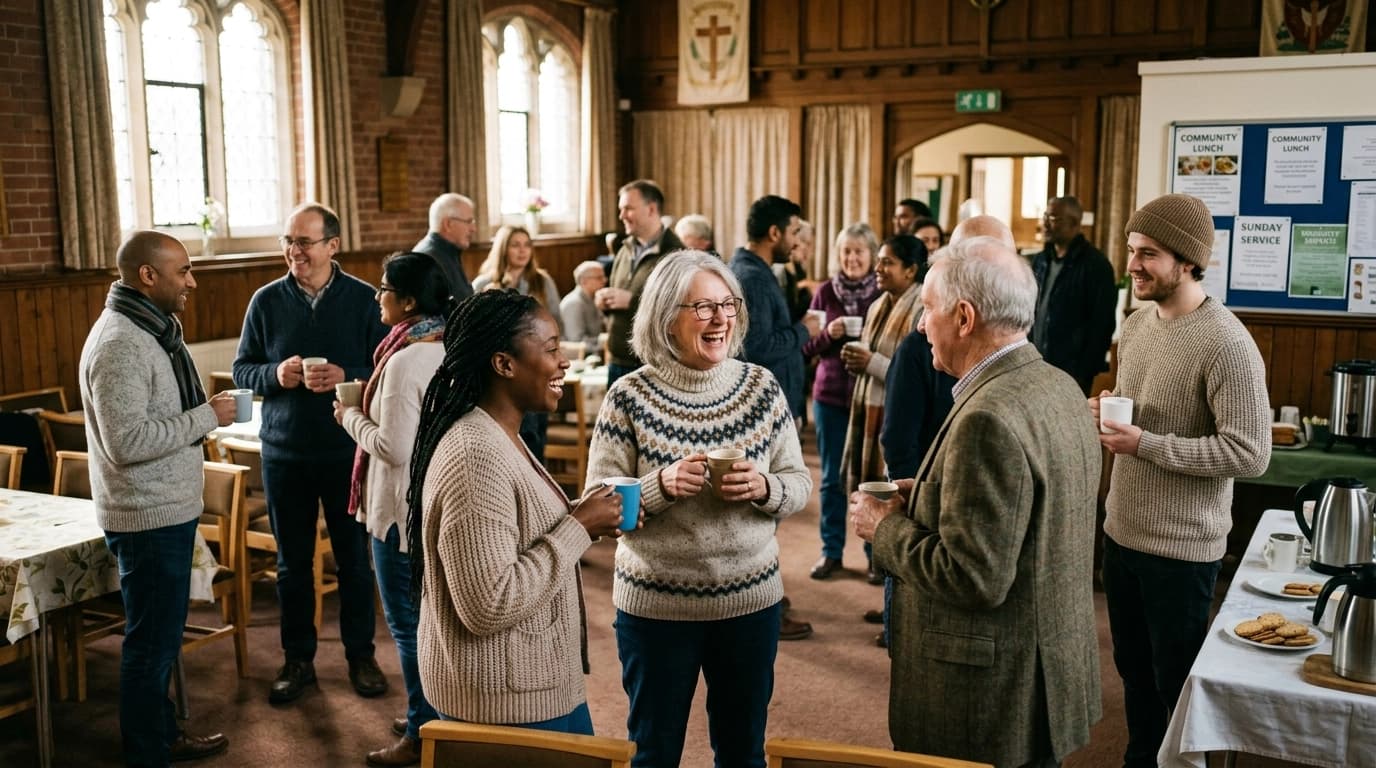
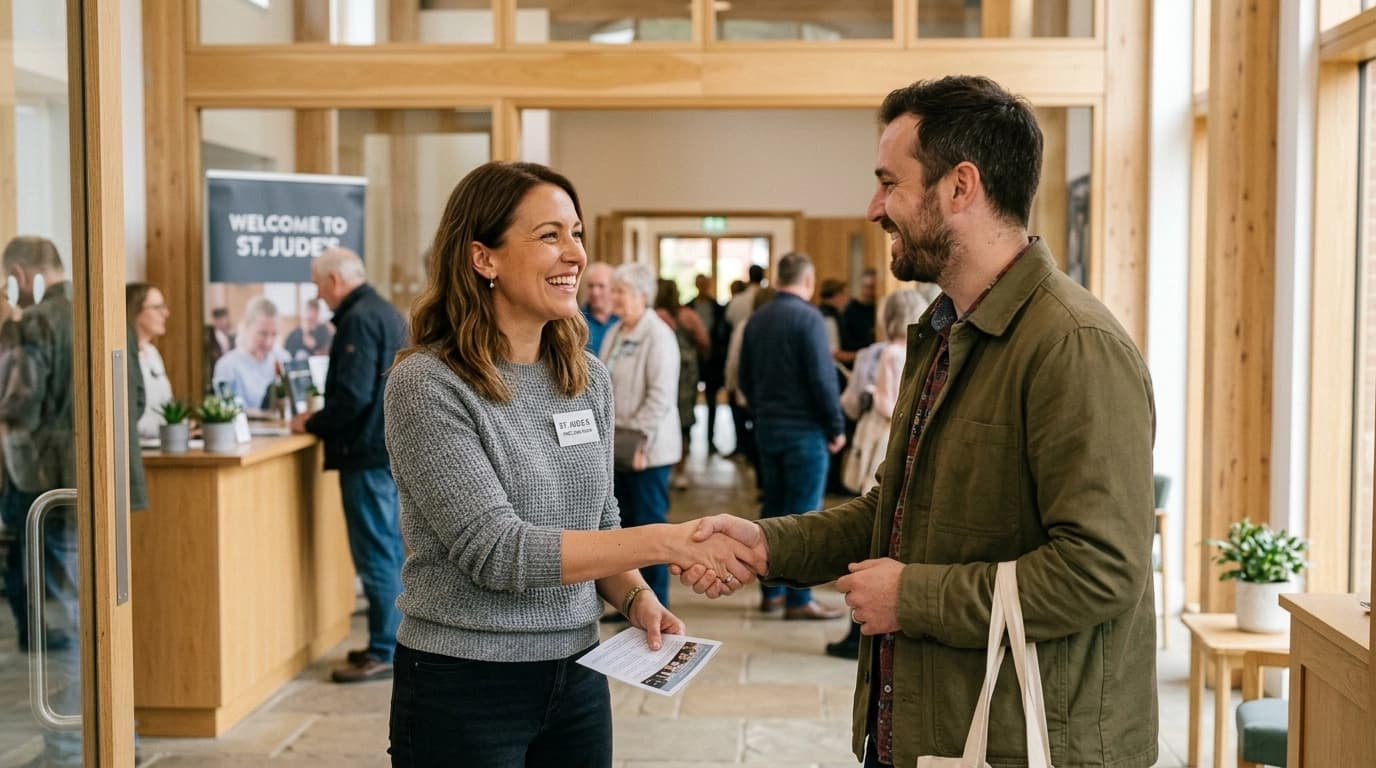
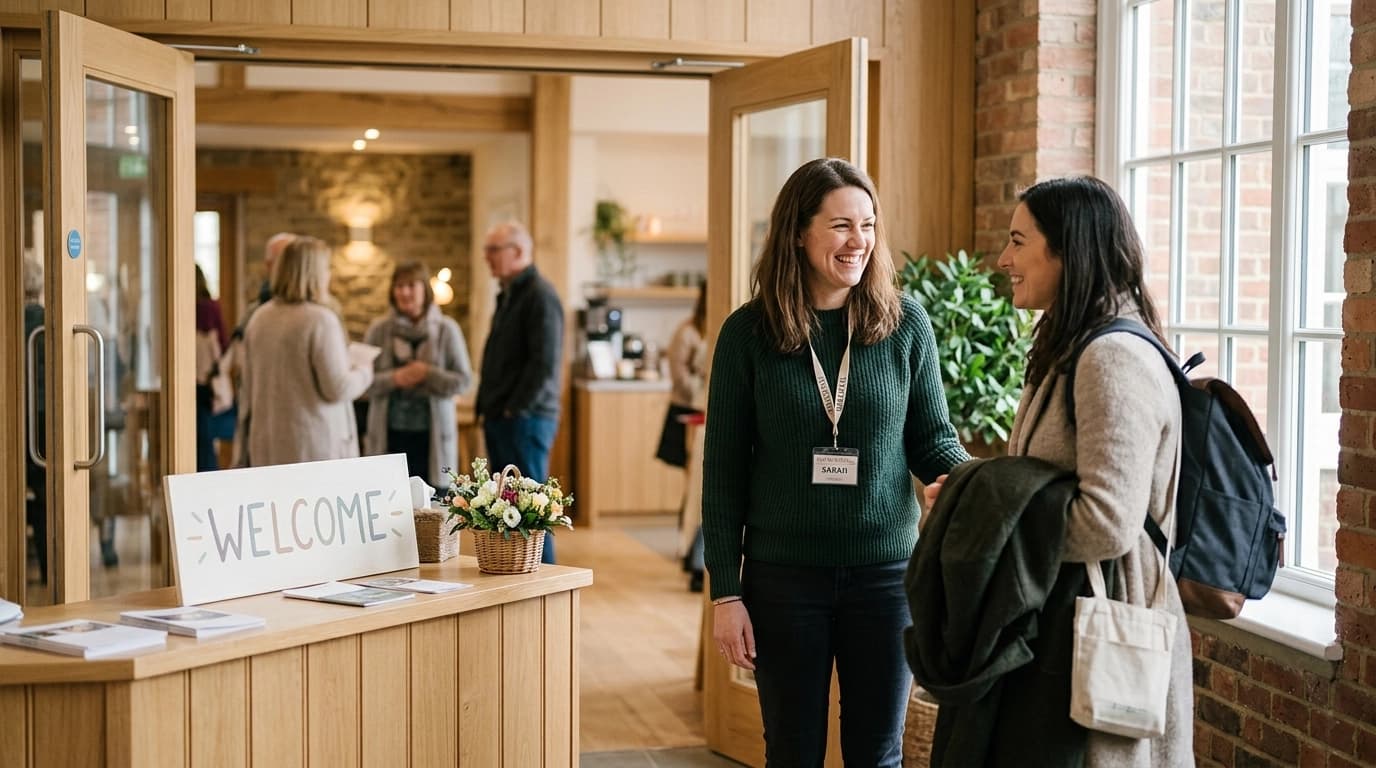
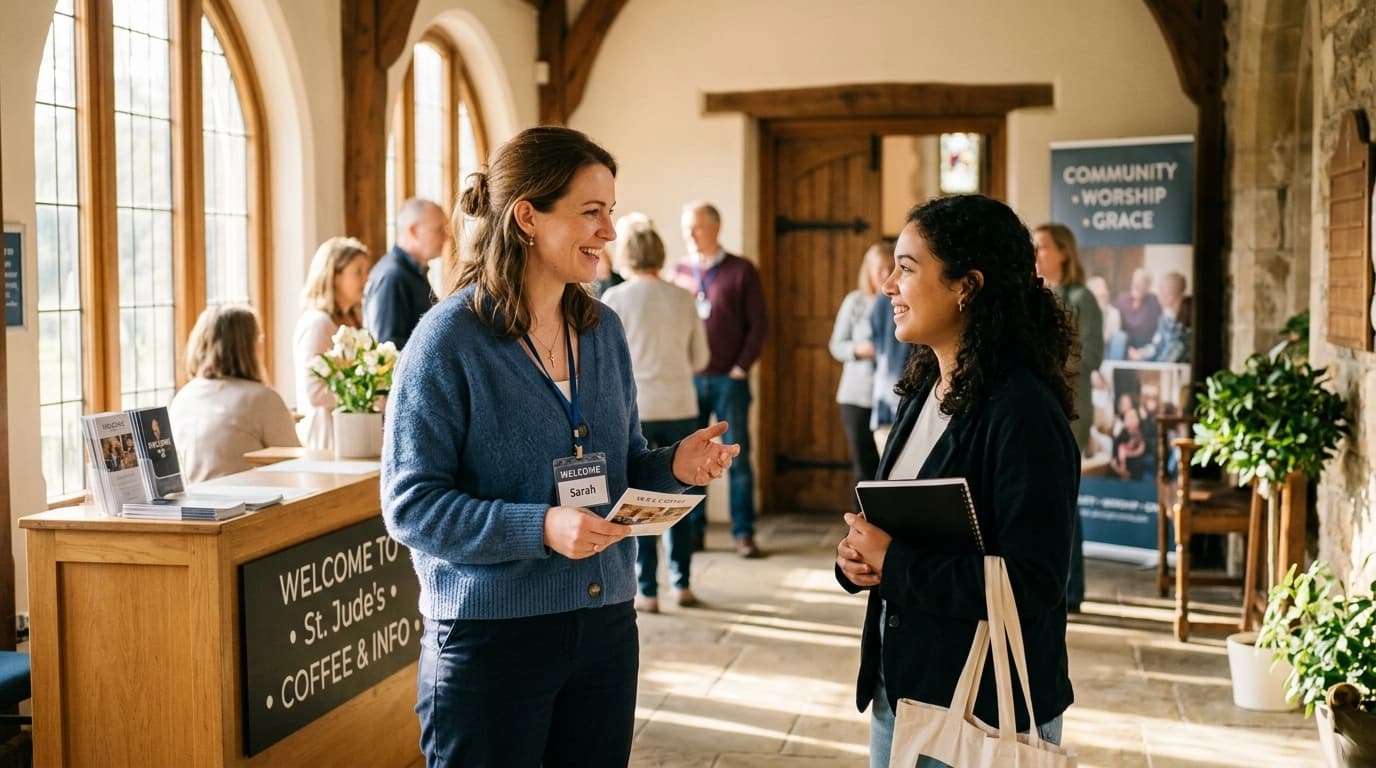
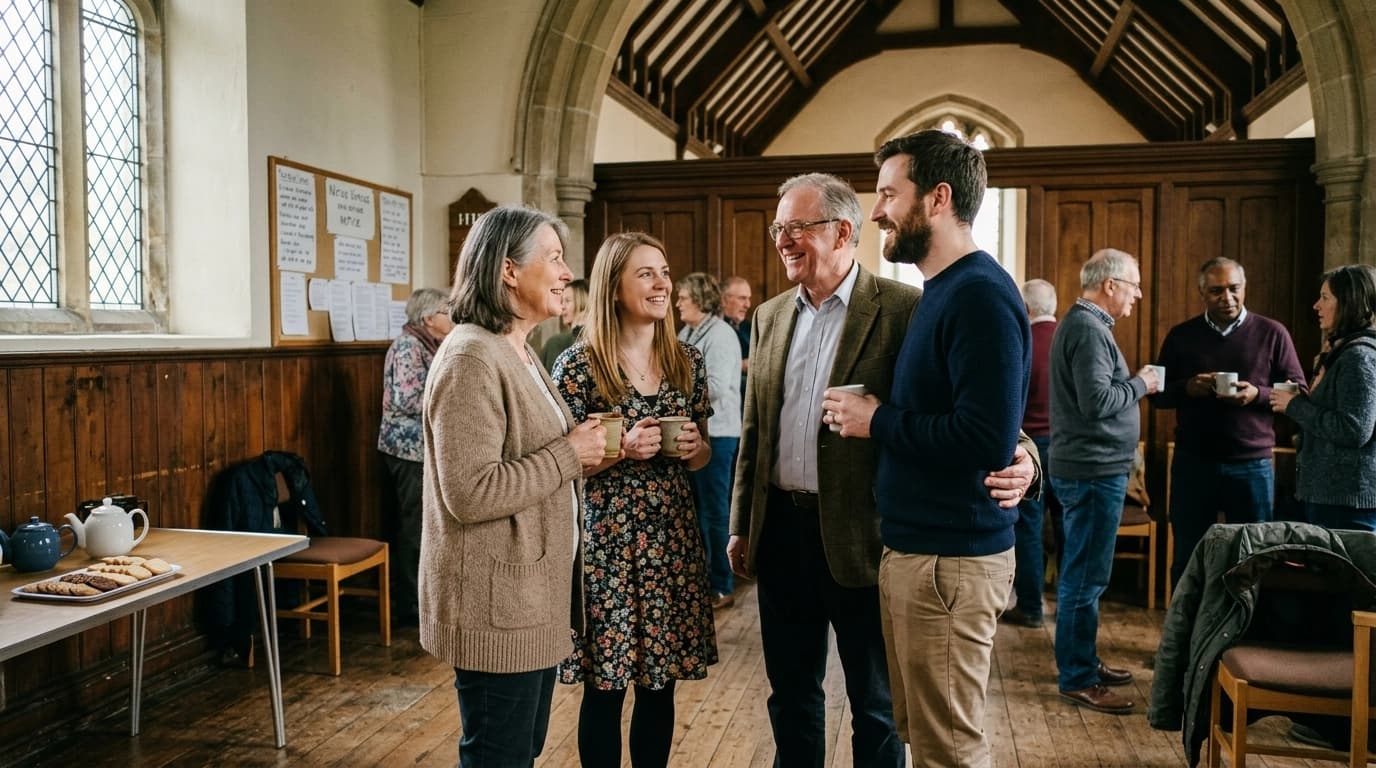
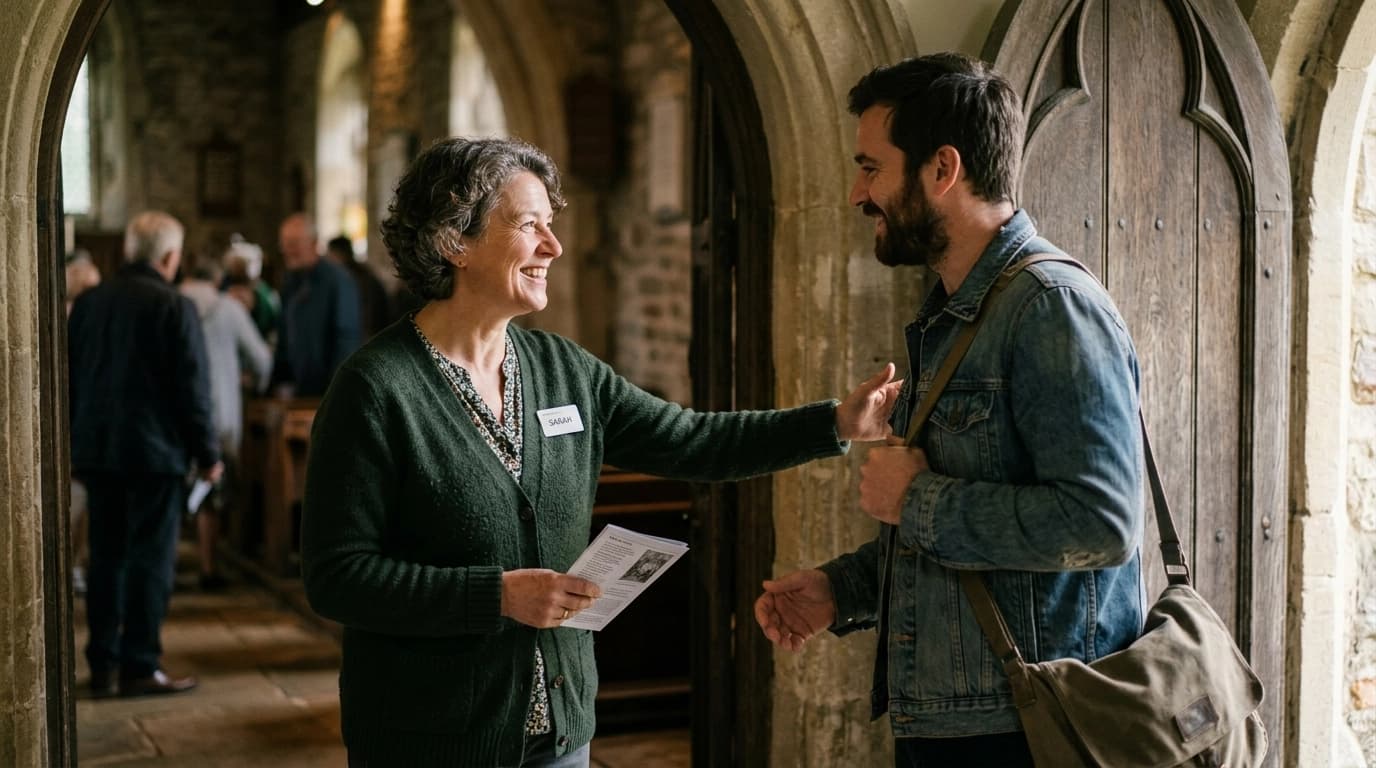
It’s Sunday morning. The service has just finished. The room is buzzing with that post-worship energy, you know the one. The smell of coffee is drifting in from the back, and you see someone new. They’re standing near the door, looking around. A bit hesitant, maybe, but they’ve stayed for the coffee. You go over. You chat. It’s a great conversation. They tell you they’ve just moved to the area, or maybe they’ve been looking for a community like this for a while. They say the sermon really hit home. They say they’ll definitely be back. You feel that little spark of excitement. This is what it’s all about, right? A new person. A new story. A potential new member of the family. They fill out a connect card. You say you’ll be in touch. And then... nothing. The next Sunday comes. You look for them. They’re not there. The Sunday after that? Still nothing. Six months later, you find that same connect card at the bottom of a drawer or buried under a pile of rotas. And you realise: we never actually reached out. We missed them. It’s heartbreaking, isn’t it? Because behind that card wasn’t just "data." It was a person. A person who took a massive leap of faith to walk through your doors. A person who was looking for something. And they fell through the cracks. The Monday Morning Fog We’ve all been there. Sunday is intense. It’s beautiful, but it’s high-pressure. By the time Monday morning rolls around, you’re tired. Your team is tired. The connect cards are sitting in a pile on the vestry table. Maybe someone took a photo of one and sent it to a WhatsApp group. Maybe the physical card is tucked into a Bible. Then the week happens. The boiler breaks at the church hall. The youth leader needs to talk about the budget. There’s a funeral to prepare for. By the time someone remembers that new person from Sunday, it’s Thursday. Or Friday. And by then, it feels a bit awkward to reach out, doesn't it? Like you've left it too long. The window of connection is closing. It’s not about being "efficient." It’s about being kind. Sometimes we talk about "church visitor follow up" like it’s a business process. We talk about conversion rates and lead magnets. But in a UK church context, that just feels... wrong. It’s too corporate. Too shiny. The reason we want to follow up with church visitors isn’t to hit a target. It’s because we actually care. When someone visits a church, they’re often in a transition. They might be lonely. They might be searching for meaning. They might be in a crisis. When we don't follow up, we're not just being "disorganised." We're unintentionally telling them that they don't matter. That their story wasn't worth the five minutes it takes to send a text. That’s the part that hurts the most for church leaders. We have the best intentions in the world, but our systems (or lack of them) let us down. Why life gets in the way If you look at the stats, the drop-off is staggering. If you reach out within 24 hours, the chance of someone coming back is around 85%. Wait just three days, and that drops to 15%. 15 percent. It makes sense, really. Life is busy. People have jobs, kids, laundry, stress. They come to church on Sunday, they feel something good, but then Monday hits them like a ton of bricks. The "church feeling" fades. They start to wonder if they really fit in. They wonder if anyone even noticed they were there. If they don't hear from you, their brain fills in the gaps. "They probably have enough people." "They're too busy for me." "I was just a face in the crowd." A simple message can change that whole narrative. But it has to happen. It can't just be a good intention. The chaos of the "System" Most UK churches I know are trying their best. But their "system" for how to follow up church visitors looks something like this: Visitor fills in a paper card. Card is handed to a volunteer. Volunteer forgets card in their pocket. Volunteer finds card on Tuesday, emails the Admin. Admin is part-time and doesn't work until Thursday. Admin adds person to a spreadsheet. Admin emails the Pastor to say "Hey, this person visited." Pastor is busy with a pastoral emergency. By the time anyone actually says hello, it's next week. It’s chaotic. It’s loud. And it’s exhausting for everyone involved. We try to solve it with big, bloated church management software . You know the ones, the systems built in the US that feel like you need a PhD just to log in. They’re full of features you’ll never use and language that doesn't sound like us. They make the process feel like work. And when something feels like work, we tend to avoid it. A different way to hold the story What if follow-up didn’t feel like a chore? What if it felt like a natural extension of the Sunday morning welcome? That’s why we’re building Church Loop . We wanted a place where people's stories are held with care, not just filed away. Imagine Sunday morning again. Instead of a scrap of paper, the visitor fills in a simple, custom form on a tablet or their own phone. Instantly, they are in your "loop." No spreadsheets. No lost cards. Their profile is right there, one clean timeline that shows everything. On Monday morning, you (or your welcome team) see a simple task: “Send a quick hello to Sarah.” You click a button. You send a warm, human SMS . "Hi Sarah, it was so lovely to meet you yesterday. Hope the house move goes well this week! Hope to see you again soon." That’s it. Simple. Not a marketing campaign. Not an automated bot. Just you, being a person, reaching out to another person. Keeping the pace calm The problem with a lot of systems is they try to automate everything. They turn people into "workflows." But church isn't a factory. We think follow-up should be supported , not replaced . In Church Loop, you can weave together SMS , emails, and tasks into one simple journey. Maybe day one is a text. Day three is a personal email with some info about the small groups they asked about. Day seven is a task for a team member to say hi to them at the next service. It’s all in one flow. Everyone on the team knows who is doing what. No more "I thought you were calling them!" or "Wait, did anyone ever email that new family?" It takes the noise out of the process. It makes it calm. And when the process is calm, people don't fall through the cracks. Taking care of the details There’s also the legal side of things. We live in the UK, so we have to care about GDPR. It’s not the most exciting topic, but it’s part of taking care of people. It’s about saying: "We respect your privacy. We're going to handle your information with integrity." Having a simple church management software in the UK means you don't have to worry about whether a volunteer has a photo of a connect card on their personal phone. It’s all in one secure, respectful place. It’s professional without being "corporate." It’s just good stewardship. The goal is connection At the end of the day, we don't want more people in our database. We want more people in our community. We want Sarah to feel like she belongs. We want the family who just moved here to feel like they've found a home. We want the person searching for meaning to find the answers they're looking for. Follow-up is just the bridge that gets them from that first "hello" to a real sense of belonging. If that bridge is broken, it doesn't matter how good the worship is or how powerful the preaching is. They won't get across it. We want to help you build a bridge that never breaks. A special invitation for your church We’re getting close to launching Church Loop. It’s built specifically for churches like yours: the ones that care deeply about people but find the admin a bit overwhelming. It’s modern. It’s minimalist. It’s designed to be used by busy pastors and volunteers who just want to get things done without the headache. We’re looking for a group of "Founding Churches" to join us from the beginning. If you join the waitlist now, you can get Church Loop for £19/month for life . That’s it. No hidden fees. No bloated pricing tiers. Just a simple, powerful tool to help you make sure nobody is forgotten. After we launch, the price will go up to £29/month, so this is our way of saying thank you to the churches who believe in this vision early on. No pressure. No hard sell. Just an invitation to a calmer way of doing church life. You can join the waitlist here . Let’s make sure that the next person who walks through your door doesn't just "have a great time": but actually stays. Because their story matters. And it's worth following up. Josh Barnes Founder, Church Loop
Read article→